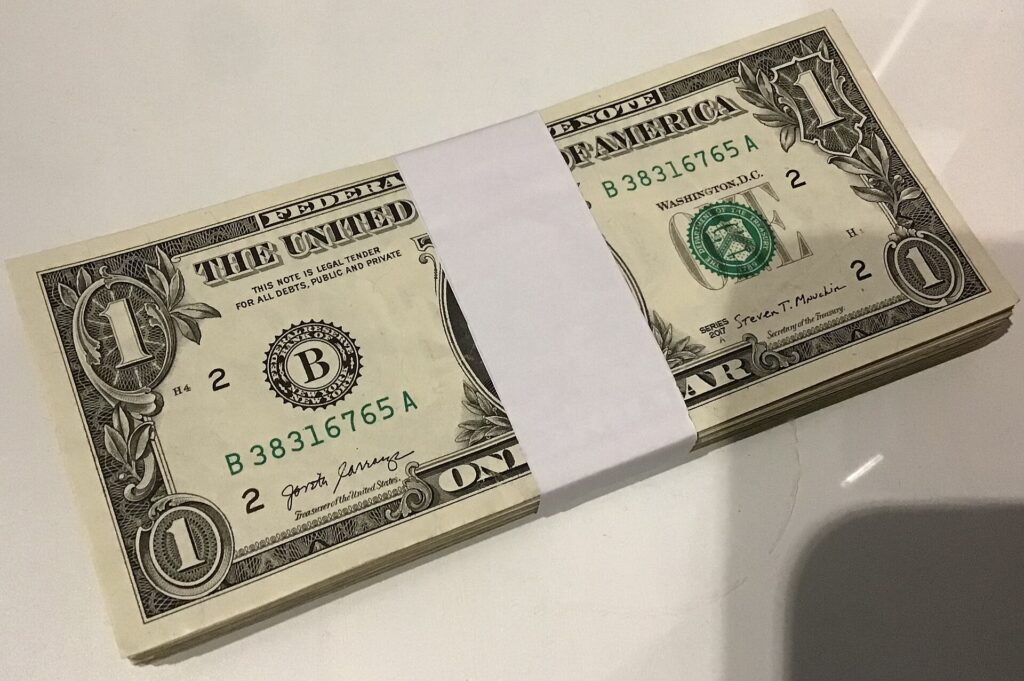
- A personal loan is a lump sum repaid in fixed monthly installments over a set term, usually 2 to 7 years.
- Most are unsecured and have a fixed rate.
- Your rate depends mainly on your credit score, income and existing debt.
Personal loans are one of the simplest forms of credit: you borrow a set amount, you get it all at once, and you pay it back in equal monthly payments until it’s gone. Understanding the moving parts, from APR and fees to amortization and credit checks, makes it much easier to spot a good deal and avoid a bad one.
The basics
| Term | What it means |
|---|---|
| Principal | The amount you borrow |
| Interest rate | The yearly cost of borrowing, as a percentage of the principal |
| APR | Interest rate plus required fees, expressed as a yearly rate; the best number to compare |
| Term | How long you have to repay, commonly 24 to 84 months |
| Origination fee | One-time fee, often a percentage of the loan, usually deducted from the proceeds |
| Unsecured | No collateral; approval is based on your credit and income |
| Secured | Backed by collateral such as savings or a vehicle, which may lower the rate |
How a personal loan works, step by step
- Check your credit. Your score is the single biggest factor in your rate.
- Prequalify. Lenders show estimated rates using a soft credit inquiry. See how to prequalify without hurting your credit.
- Compare offers by APR, monthly payment, total cost and fees.
- Apply. You submit documents such as ID, pay stubs or tax returns, and bank details. The lender does a hard credit inquiry.
- Get approved and sign. Review the Truth in Lending disclosure showing the APR, finance charge, amount financed and total of payments.
- Receive the money, usually by direct deposit, often within one to a few business days. For debt consolidation, some lenders pay creditors directly.
- Repay in fixed monthly installments until the loan is paid off.
What lenders look at
- Credit score and history: on-time payments, utilization, length of history, recent inquiries, and any collections or bankruptcies.
- Income and employment: evidence you can afford the payment.
- Debt-to-income ratio (DTI): monthly debt payments divided by gross monthly income. Lower is better.
- Loan amount and term: larger or longer loans can be priced higher.
How repayment works (amortization)
Each fixed payment covers that month’s interest first, and the rest reduces your principal. Early payments are interest-heavy; later payments go mostly to principal.
Example: $10,000 over 36 months at 15.00% APR = $346.65 per month. In month one, about $125 goes to interest ($10,000 × 15% ÷ 12) and about $221.65 reduces the balance. By the final months, almost the entire payment goes to principal. Total interest: about $2,479.52.
Because interest is charged on the remaining balance, paying extra toward principal shortens the loan and cuts total interest, as long as your loan has no prepayment penalty.
Common fees
- Origination fee: commonly a percentage of the loan; some lenders charge none.
- Late fee: a flat amount or percentage of the missed payment.
- Returned payment fee: if an automatic payment bounces.
- Prepayment penalty: rare among personal loan lenders; avoid loans that have one.
How a personal loan affects your credit
- A hard inquiry when you apply can lower your score slightly for a short time.
- A new account lowers the average age of your accounts.
- On-time payments build positive history; missed payments 30+ days late can do serious damage.
- Using a loan to pay off credit cards can lower your utilization, which often helps your score.
Common uses
Debt consolidation, home improvements, medical bills, car repairs, moving costs and other large one-time expenses. Many lenders prohibit using personal loans for college tuition, business expenses, investing or gambling.
Ready to compare? See our guide to the best personal loans or test numbers with the personal loan calculator.
Frequently asked questions
How long does it take to get a personal loan?
Many online lenders approve applications within minutes to a day and fund within one to a few business days. Banks and credit unions can take longer.
Can I pay off a personal loan early?
Most personal loan lenders don’t charge prepayment penalties, so paying early saves interest. Check your loan agreement to confirm.
Are personal loans fixed or variable?
Most personal loans have fixed rates and fixed monthly payments for the entire term.